Regular rental property inspections are an important part of protecting your investment and staying ahead of maintenance. They give owners better visibility into their property's condition and can help identify small concerns before they become more costly repairs.
But knowing when to inspect isn’t always straightforward. The right rental property inspection schedule can depend on the property’s age, condition, location, maintenance needs, and where it is in the rental lifecycle.
Here, we’ll cover how often landlords should inspect rental properties, when an inspection may be needed, what to look for during an inspection, and how professional property management can help keep inspections and maintenance on track.
How Often Should You Inspect a Rental Property?
Routine rental property inspections are often conducted every three to six months, giving owners regular opportunities to check the property’s condition and catch maintenance issues before they become bigger problems. The right rental property inspection frequency can vary based on the property’s age and condition, tenant history, maintenance needs, and other circumstances.
|
Inspection
|
When to Conduct It
|
Primary Purpose
|
|
Move-in inspection
|
Before tenant occupancy
|
Document the property’s starting condition
|
|
Routine inspection
|
Every six to eight months, depending on the property
|
Identify maintenance and condition concerns
|
|
Maintenance-related inspection
|
After significant repairs or when concerns arise
|
Confirm repairs and identify related issues
|
|
Move-out inspection
|
When the tenancy ends
|
Document the property’s final condition
|
|
Post-event inspection
|
After severe weather or another potentially damaging event
|
Identify damage and necessary repairs
|
Routine inspections are only one part of a complete rental property inspection schedule. Owners should also plan inspections at key points throughout the rental lifecycle, including before a tenant moves in, when a tenant moves out, after significant maintenance or repair concerns, and following severe weather or other events that could affect the property.
Maintaining a consistent inspection schedule is one of the many responsibilities that come with self-managing a rental property in Florida. Staying organized helps you address maintenance proactively, protect your investment, and avoid unnecessary disruptions for your tenants.
When Should You Inspect a Rental Property?
A rental property inspection schedule should include more than routine checkups. Inspections are useful at several points throughout the rental lifecycle, from documenting the property before move-in to assessing its condition after a tenant leaves or following an event that could cause damage.
When the property is occupied, landlords should follow the notice and access requirements established by the lease and applicable law. This helps owners maintain appropriate visibility into their property while respecting the tenant’s right to use and enjoy the home.
Before a Tenant Moves In
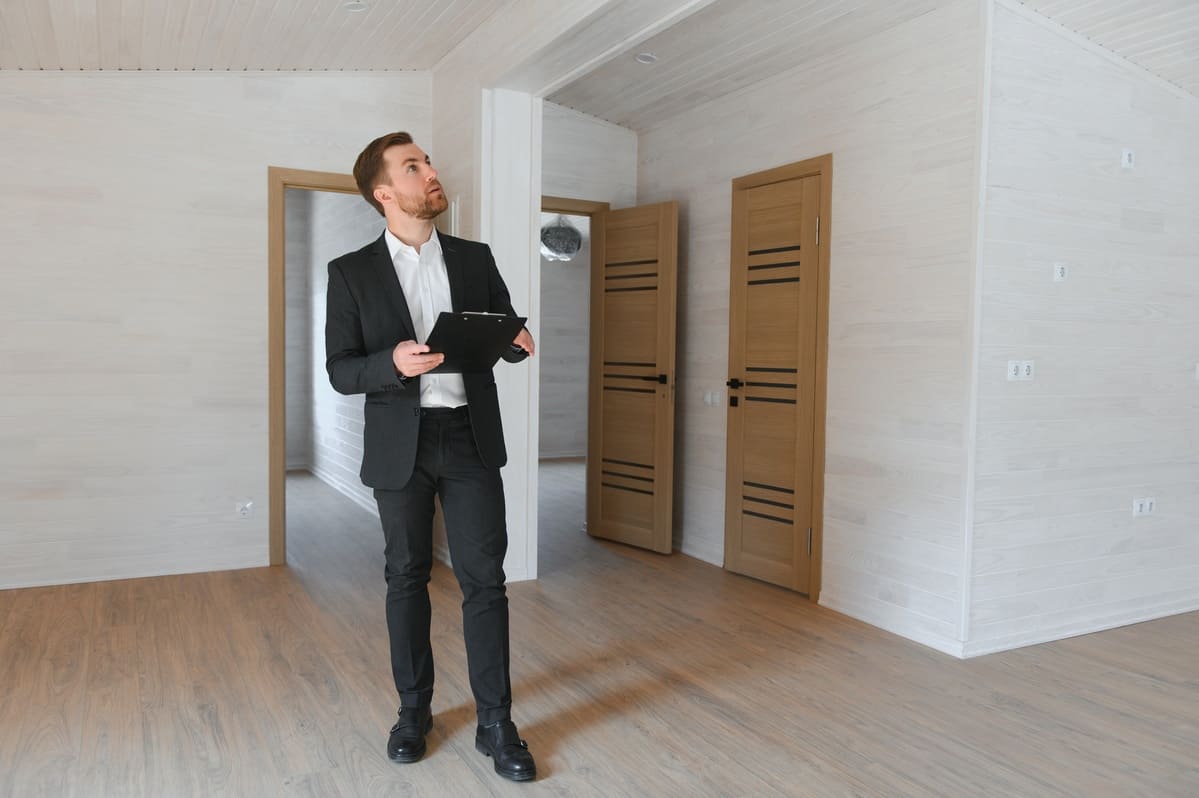
A move-in inspection creates a clear record of the rental property’s condition before a new tenant takes possession. Walk through the interior and exterior, noting existing wear, damage, maintenance concerns, and the condition of major features and systems.
Documenting the inspection with dated photos and detailed notes creates a baseline you can reference throughout the tenancy and again at move-out. It can also help distinguish pre-existing conditions from damage or maintenance needs that develop later.
During the Tenancy
Routine rental property inspections every three to six months give owners a chance to identify visible maintenance concerns and monitor the home's overall condition. The appropriate frequency may vary based on the property’s age, condition, maintenance history, and other circumstances.
These inspections should focus primarily on proactive property care rather than simply looking for lease violations. Checking for leaks, moisture, HVAC concerns, exterior wear, and other developing issues can help owners address problems before they become more costly — an important part of protecting a rental property investment over time.
After Maintenance or Repair Issues
An additional rental property maintenance inspection may make sense after a significant repair, reported leak, water intrusion, property damage, or another issue that could affect the home’s condition.
Following up allows owners to confirm that the original concern has been addressed and look for related damage that may not have been immediately apparent. Catching lingering moisture, recurring leaks, or other unresolved problems early can help reduce the risk of more extensive repairs later.
When a Tenant Moves Out
A move-out inspection documents the condition of the property once the tenancy ends. Owners can compare the home against the photos and notes from the move-in inspection to identify new damage, normal maintenance needs, and work that should be completed before the next tenant moves in. This is also an opportunity to evaluate the property more broadly and address repairs or improvements that may help support its long-term rental performance.
After Severe Weather or Other Major Events
For Florida rental property inspections, major storms, hurricanes, flooding, and other potentially damaging events can create a need for an additional property check rather than waiting for the next routine inspection.
A timely inspection can help identify roof or exterior damage, water intrusion, drainage problems, fallen debris, and other concerns that may worsen if left unaddressed. Evaluating the property after a significant event helps owners respond to necessary repairs sooner and protect the home’s condition and future rental performance.
What Should You Look for During an Inspection?
A rental property inspection checklist can help owners evaluate the property consistently and spot maintenance concerns that may otherwise go unnoticed. The goal is not to replace a professional home inspection, but to identify visible signs of damage, wear, safety concerns, or deferred maintenance that may require attention.
During a routine inspection, pay particular attention to:
- Interior condition. Check walls, ceilings, floors, doors, and windows for visible damage, excessive wear, moisture, or other changes in the property’s condition.
- Plumbing and water. Look around sinks, toilets, tubs, showers, and water heaters for leaks, water stains, moisture, or other signs of plumbing problems.
- HVAC systems. Check that heating and cooling systems appear to be operating properly, and look for issues such as dirty filters, unusual moisture, or other visible maintenance concerns.
- Appliances. Review landlord-provided appliances for visible damage or signs that maintenance or repairs may be needed.
- Safety features. Check smoke and carbon monoxide detectors, locks, windows, railings, and other safety-related features for visible issues.
- Exterior condition. Look for visible roof or siding damage, drainage concerns, overgrown landscaping, damaged walkways, and problems around exterior doors and windows.
- Signs of deferred maintenance. Pay attention to recurring leaks, pest activity, mold or moisture concerns, damaged materials, and other issues that could become more expensive if they are not addressed.
Keeping consistent notes and photos during landlord property inspections can also make it easier to track changes over time and prioritize maintenance. If an inspection reveals a concern that requires more specialized evaluation, owners can bring in the appropriate contractor or professional rather than relying on the routine inspection alone.
Why Routine Rental Property Inspections Matter for Owners
Routine rental property inspections help owners identify maintenance problems early, reduce the risk of costly repairs, and protect the property’s long-term condition. Staying ahead of maintenance can also reduce unexpected expenses, improve the tenant experience, and help protect rental income. For owners, that means better visibility into the property and more opportunities to address issues before they affect long-term rental performance.
Can a Property Manager Handle Rental Property Inspections?
Yes. A professional property manager can coordinate rental property inspections, schedule access with tenants, document the property’s condition, communicate findings to owners, and help coordinate maintenance when issues are identified.
This can be especially valuable for owners who live outside the area, manage multiple rentals, or simply do not have time to oversee inspections and maintenance themselves. By keeping inspections on schedule and maintaining consistent documentation, a property manager can help owners stay informed while handling the day-to-day work required to protect the property.
Inspections are just one part of what a property manager can handle for rental owners, alongside maintenance coordination, tenant communication, leasing, and other ongoing responsibilities.
Protect Your Rental Property With Professional Management
Regular inspections are an important part of protecting a rental property, but they are only one piece of proactive management. SunCoast Property Management helps owners stay ahead of inspections, maintenance, tenant communication, and other day-to-day responsibilities that can affect their investment.
With professional oversight, owners can maintain a consistent rental property inspection schedule, address maintenance concerns as they arise, and stay informed about their property without managing every detail themselves. For owners considering additional support, understanding when to hire a property management company can help determine whether professional management is the right next step.
If you’re ready to explore professional management for your rental property, get a free rental analysis to connect with SunCoast and learn more about how our team can support your investment.
Stay Proactive With Rental Property Inspections
Maintaining a consistent inspection schedule helps owners stay informed about their property’s condition, address concerns early, and stay ahead of ongoing maintenance. Inspections should also be conducted at key points throughout the rental lifecycle, including move-in, move-out, and after potentially damaging events.
A consistent inspection and maintenance strategy can help protect your investment and support long-term rental performance. When you’re ready for help managing inspections and other day-to-day responsibilities, SunCoast is here to help. Feel free to contact our team to get started!