How to deal with difficult tenant situations is a question almost every rental property owner faces at some point. Even with careful tenant screening and clear lease expectations, situations can arise where communication breaks down, lease obligations aren't being met, or disagreements become difficult to resolve.
When that happens, having a consistent approach can make the situation easier to manage. By understanding the issue, reviewing the lease, communicating clearly, documenting important interactions, and knowing when a situation needs additional support, landlords can address challenges professionally and keep conversations focused on finding a path forward.
In this guide, we'll explain what can make a tenant situation difficult to manage, walk through a practical framework for addressing common challenges, and discuss how professional property management support can help.
What Makes a Tenant Situation Difficult to Manage?
In many cases, the circumstances themselves make a tenant situation harder to manage, whether that's a breakdown in communication, an unresolved maintenance concern, repeated lease violations, or an ongoing disagreement.
Some common examples of situations include:
- Repeated late rent payments
- Unauthorized occupants or pets
- Property damage beyond normal wear and tear
- Disputes over property access for inspections or repairs
- Hostile or unproductive communication
- Ongoing complaints about maintenance or neighbors
- Conflicts between residents that begin affecting the property
The first step is identifying what type of issue you're dealing with, because not every situation calls for the same response. For example, a misunderstanding may be resolved through a simple conversation, while a maintenance concern may require prompt attention. A documented lease violation may call for a more formal response based on the lease terms.
Understanding the nature of the issue before responding helps you communicate more effectively, determine an appropriate next step, and avoid making the situation more difficult than it needs to be.
How to Deal With Difficult Tenant Situations in Six Steps
Successfully handling a difficult tenant situation isn't about finding the perfect response to every problem. It's about following a consistent approach that helps you understand the issue, communicate professionally, and determine the appropriate next step.
Whether you're responding to a lease concern, a maintenance complaint, or an ongoing conflict, these six steps can help you manage the situation more effectively and keep communication productive.
1. Focus on Facts
Receiving an angry email or confronting a tense situation can make it tempting to respond emotionally. Before replying, take a moment to step back and focus on what you know rather than what you assume. For example, a payment was received late, an unauthorized occupant was observed during an inspection, or a maintenance request was submitted on a specific date.
Keeping your response focused on those facts, rather than assumptions about a resident's intentions or motivations, helps you maintain a professional tone and keeps communication clear, objective, and easier to reference later if needed.
2. Listen and Identify the Actual Issue
Not every disagreement stems from the first problem presented. Give the resident an opportunity to explain their concern, then ask focused questions to better understand what's actually happening. For example, a complaint about a late fee may stem from confusion about payment timing, while frustration over maintenance may stem from unclear expectations about when repairs would be completed.
Confirm what the resident is requesting, but avoid promising a solution until you've reviewed the lease, maintenance history, payment records, or other relevant information. Listening carefully doesn't mean agreeing with inaccurate claims or overlooking a lease violation. It simply ensures you're responding to the actual issue rather than making assumptions.
3. Review All Relevant Information
Before deciding how to respond, review the information that applies to the situation. That may include the lease agreement, payment history, maintenance records, inspection reports, photographs, emails, or previous communications. Looking at the full picture can help you base your next steps on facts rather than frustration or assumptions.
4. Respond Clearly and in Writing
Once you've reviewed the facts, communicate your response clearly and professionally. State the issue objectively, reference the relevant lease provision, policy, request, or timeline when appropriate, and explain what happens next. Keep the conversation focused on one primary issue whenever possible, and clearly outline next steps for you or the resident, along with a realistic follow-up timeframe.
5. Document the Issue and Follow Up
Good documentation helps create consistency and can be invaluable if a situation becomes more complex. Keep records of important emails, resident portal messages, written notices, inspection reports, photographs, invoices, maintenance requests, and payment histories. If an important conversation happens over the phone or in person, follow up with a brief written summary confirming what was discussed and any agreed-upon next steps.
It's also helpful to record when promised actions were completed, whether that's a repair, an inspection, or a resident response. This doesn't mean creating an extensive file for every minor interaction, but keeping organized records can reduce misunderstandings and make it easier to track what has been discussed, completed, or still needs attention.
6. Escalate As Needed If the Problem Continues
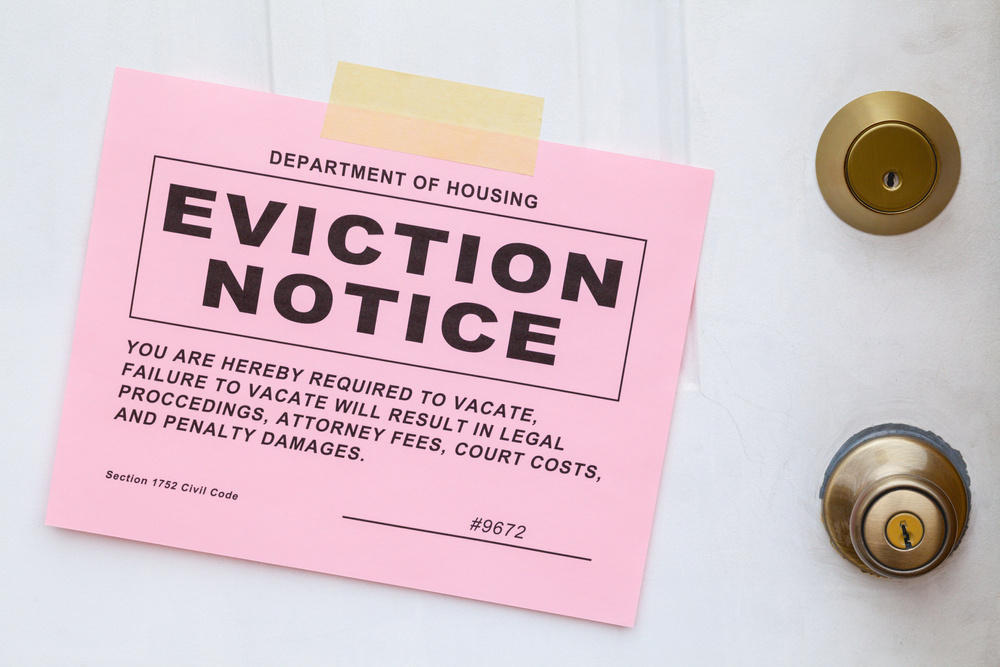
Some situations can be resolved through communication, while others may require a more formal response. If a resident repeatedly violates the lease or a serious issue remains unresolved despite reasonable efforts to address it, it may be time to move beyond informal conversations and determine the appropriate next step.
Depending on the situation, that may mean following the enforcement process outlined in the lease, involving an experienced property manager, or seeking qualified legal guidance when necessary. The goal is to respond consistently and thoughtfully, rather than letting frustration drive the next decision.
For more on situations that may carry additional legal considerations, learn how property managers help reduce legal risk for landlords.
Communication Practices That Help De-Escalate Conflict
How you communicate during a disagreement can significantly affect whether the situation improves or worsens. Even when enforcing the lease, clear and respectful communication helps set expectations while reducing unnecessary conflict.
A few best practices include:
- Use neutral, specific language.
- Address the behavior or lease issue, not the resident as a person.
- Keep messages concise and focused on the issue at hand.
- Avoid lengthy back-and-forth arguments through text messages or email.
- Confirm important conversations and agreements in writing.
- Set realistic expectations for response times and next steps.
- Follow through on the commitments you make, whether that's scheduling a repair or providing an update.
- Apply policies consistently to help set clear expectations and avoid confusion.
While clear communication won't resolve every issue, it can help prevent minor concerns from becoming major conflicts. Staying professional, setting realistic expectations, and treating residents consistently can reduce misunderstandings, encourage cooperation, and make difficult situations easier to resolve.
How Professional Property Management Helps Prevent Problems From Escalating
Many tenant disputes become harder to resolve when there's no clear process for handling them. A professional property manager helps establish expectations from the start through resident communication, maintenance coordination, documentation, lease enforcement, owner reporting, and ongoing oversight.
That also means you don't have to personally manage every challenging conversation or determine the next step on your own. When more complex situations arise, an experienced property manager can serve as a reliable point of contact, keep communication moving, and help address issues before they escalate.
SunCoast Property Management serves rental owners throughout Florida. With more than 12 years of experience managing Florida rentals, our team uses established processes to help owners manage resident communication, lease enforcement, maintenance coordination, and the day-to-day responsibilities of owning a rental property.
Handle Difficult Tenant Situations with Confidence
Knowing how to deal with difficult tenants starts with having a process in place. By staying calm, gathering the facts, reviewing the lease, communicating clearly in writing, documenting important interactions, and knowing when to escalate, Florida landlords can address difficult situations more effectively and keep resident communication productive.
Not every disagreement will have a simple resolution, but a thoughtful, consistent approach can make challenging situations easier to manage while helping you maintain your property and your landlord-resident relationships.
When managing resident issues starts taking time away from your investment goals, professional support can make all the difference. SunCoast helps Florida rental owners manage resident communication, lease enforcement, maintenance coordination, and day-to-day operations through established processes.
Contact our team to learn how full-service property management can help you spend less time managing day-to-day rental challenges and more time focused on your investment goals.
This article is for general informational purposes only and should not be considered legal advice. For questions about your specific legal rights or responsibilities, consult a qualified Florida attorney.